‘Akmal ad-Dīn al-Bābartī[d. 782H] said:
Section:
When he finished clarifying what is obligatory for ‘Ahl adh-Dhimmah in their residency in Dār al-Islām, he set about clarifying what is permissible for them to do in terms of what is related to residency: (And it is not permissible to construct a church or synagogue in Dār al-Islām due to his SAWS statement: “There is no castration in Islam nor churches.”)
“Castration” is with Kasra on the Khā’ and an elongated ‘a’ vowel upon the scale of “Fi’āl.” It is a verbal noun. The verb “Khaṣāhu” means when “someone removes his two testicles.” “Ikhṣā’,” in terms of its meaning, is an error- it is mentioned in al-Mughrib.
The connection between castration and churches is that to construct churches in Dār al-Islām is to remove the figurative manhood of the people of its Dār; just as castration is the removal of the manhood of creatures if the castration is physical. If the intended meaning is celibacy and restraint from women by sticking to churches, then the connection is apparent.
The intended meaning in his SAWS statement: “…nor churches” is their construction. So, the denial is with the meaning of prohibition. In other words, “Do not construct churches in Dār al-Islām.”
The term “Kanīsah” of Jews and Christians is used for their places of worship. Likewise, “Bī’ah” is general in terms of origins. Then, the use of “Kanīsah” became predominant for Jewish places of worship and “Bī’ah” for Christian places of worship.
His statement (Monasteries for the purpose of withdrawal in them are in the position of churches), in other words, they are not permitted to construct monasteries in which they also withdraw for worship.
(Contrary to a place for prayer), in other words, the prayer of the Dhimmī (in the home). Thus, they are permitted to do that.
~End Quote
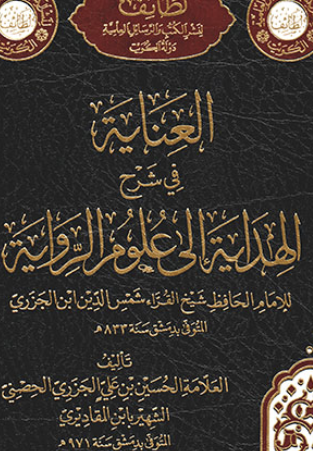
Al-‘Ināyah Sharḥ il-Hidāyah
Vol. VI, page 59
Original Arabic:
فَصْلٌ
لَمَّا فَرَغَ مِنْ بَيَانِ مَا يَجِبُ عَلَى أَهْلِ الذِّمَّةِ بِسُكْنَاهُمْ فِي دَارِ الْإِسْلَامِ شَرَعَ فِي بَيَانِ مَا يَجُوزُ لَهُمْ أَنْ يَفْعَلُوا مِمَّا يَتَعَلَّقُ بِالسُّكْنَى (وَلَا يَجُوزُ إِحْدَاثُ بِيعَةٍ وَلَا كَنِيسَةٍ فِي دَارِ الْإِسْلَامِ لِقَوْلِهِ صَلَّى اللَّهُ عَلَيْهِ وَسَلَّمَ «لَا خِصَاءَ فِي الْإِسْلَامِ وَلَا كَنِيسَةَ») وَالْخِصَاءُ بِكَسْرِ الْخَاءِ وَالْمَدِّ عَلَى وَزْنِ فِعَالٍ مَصْدَرُ خَصَاهُ: إِذَا نَزَعَ خُصْيَتَيْهِ، وَالْإِخْصَاءُ فِي مَعْنَاهُ خَطَأٌ ذَكَرَهُ فِي الْمُغْرِبِ، وَالْمُنَاسَبَةُ بَيْنَ ذِكْرِ الْخِصَاءِ وَالْكَنِيسَةُ هِيَ أَنَّ إِحْدَاثَ الْكَنِيسَةِ فِي دَارِ الْإِسْلَامِ إِزَالَةٌ لِفُحُولِيَّةِ أَهْلِ دَارِهِ مَعْنًى، كَمَا أَنَّ الْخِصَاءَ إِزَالَةٌ لِفُحُولِيَّةِ الْحَيَوَانِ إِنْ كَانَ الْخِصَاءُ عَلَى حَقِيقَتِهِ، وَإِنْ كَانَ الْمُرَادُ بِهِ التَّبَتُّلَ وَالِامْتِنَاعَ عَنِ النِّسَاءِ بِمُلَازَمَةِ الْكَنَائِسِ فَالْمُنَاسَبَةُ ظَاهِرَةٌ، وَالْمُرَادُ بِقَوْلِهِ عَلَيْهِ الصَّلَاةُ وَالسَّلَامُ ” وَلَا كَنِيسَةَ ” إِحْدَاثُهَا فَهُوَ نَفْيٌ بِمَعْنَى النَّهْيِ: أَيْ لَا تُحْدَثُ كَنِيسَةٌ فِي دَارِ الْإِسْلَامِ، وَيُقَالُ كَنِيسَةُ الْيَهُودِ وَالنَّصَارَى لِمُتَعَبَّدِهِمْ، وَكَذَا الْبِيعَةُ كَانَ مُطْلَقًا فِي الْأَصْلِ، ثُمَّ غَلَبَ اسْتِعْمَالُ الْكَنِيسَةِ لِمُتَعَبَّدِ الْيَهُودِ وَالْبِيعَةِ لِمُتَعَبَّدِ النَّصَارَى. وَقَوْلُهُ (وَالصَّوْمَعَةُ لِلتَّخَلِّي فِيهَا بِمَنْزِلَةِ الْبِيعَةِ) أَيْ لَا يُمَكَّنُونَ مِنْ إِحْدَاثِ الصَّوْمَعَةِ الَّتِي يَتَخَلَّوْنَ فِيهَا أَيْضًا لِلْعِبَادَةِ (بِخِلَافِ مَوْضِعِ الصَّلَاةِ) أَيْ صَلَاةِ الذِّمِّيِّ (فِي الْبَيْتِ) فَإِنَّهُمْ يُمَكَّنُونَ مِنْ ذَلِكَ.
Leave a Reply